The Unfolding Story of Our Ponds
The historic dams at Mill Pond in Stony Brook and Stump Pond in Smithtown (Blydenburgh County Park), Suffolk County, NY, face an uncertain future following catastrophic failures in August 2024. This page provides a comprehensive overview of the history, impacts, and the central question: should these dams be rebuilt, or are there alternative paths forward?
Echoes of the Past: A Rich History
Stump Pond (Blydenburgh County Park, Smithtown)
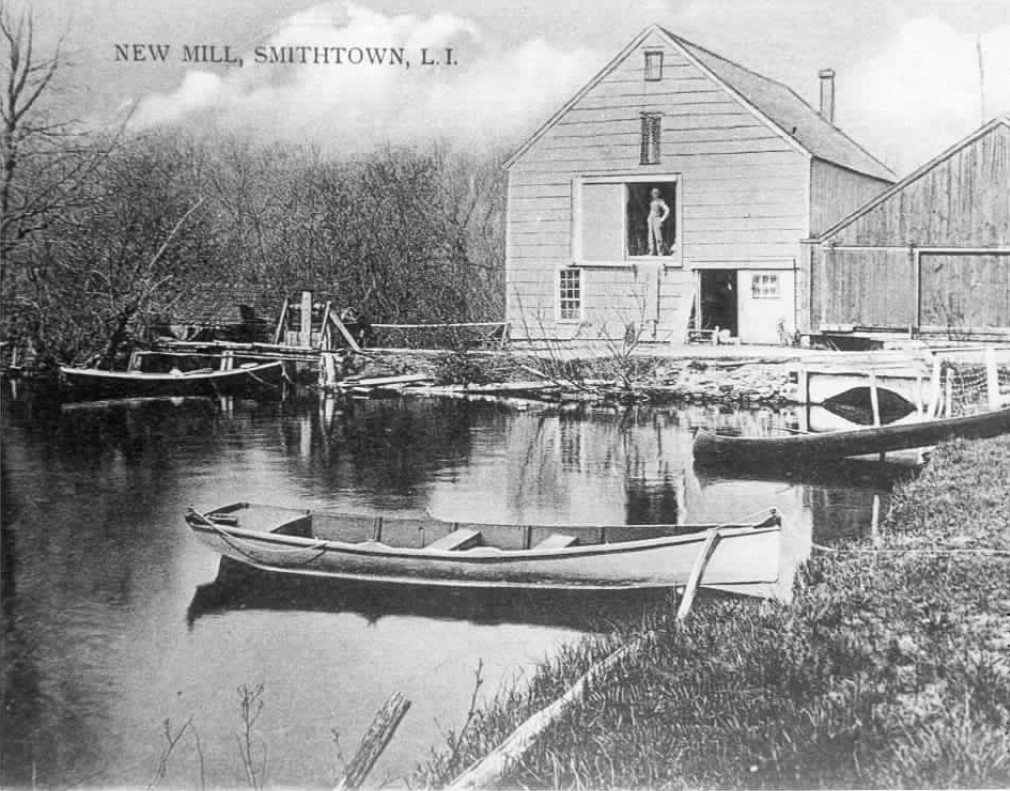
Stump Pond's origins trace back to 1798, created by damming the Nissequogue River headwaters for a grist mill (Patch). Its name reflects the submerged tree stumps. It has been a local landmark and recreational area for over two centuries.
Mill Pond (Stony Brook)
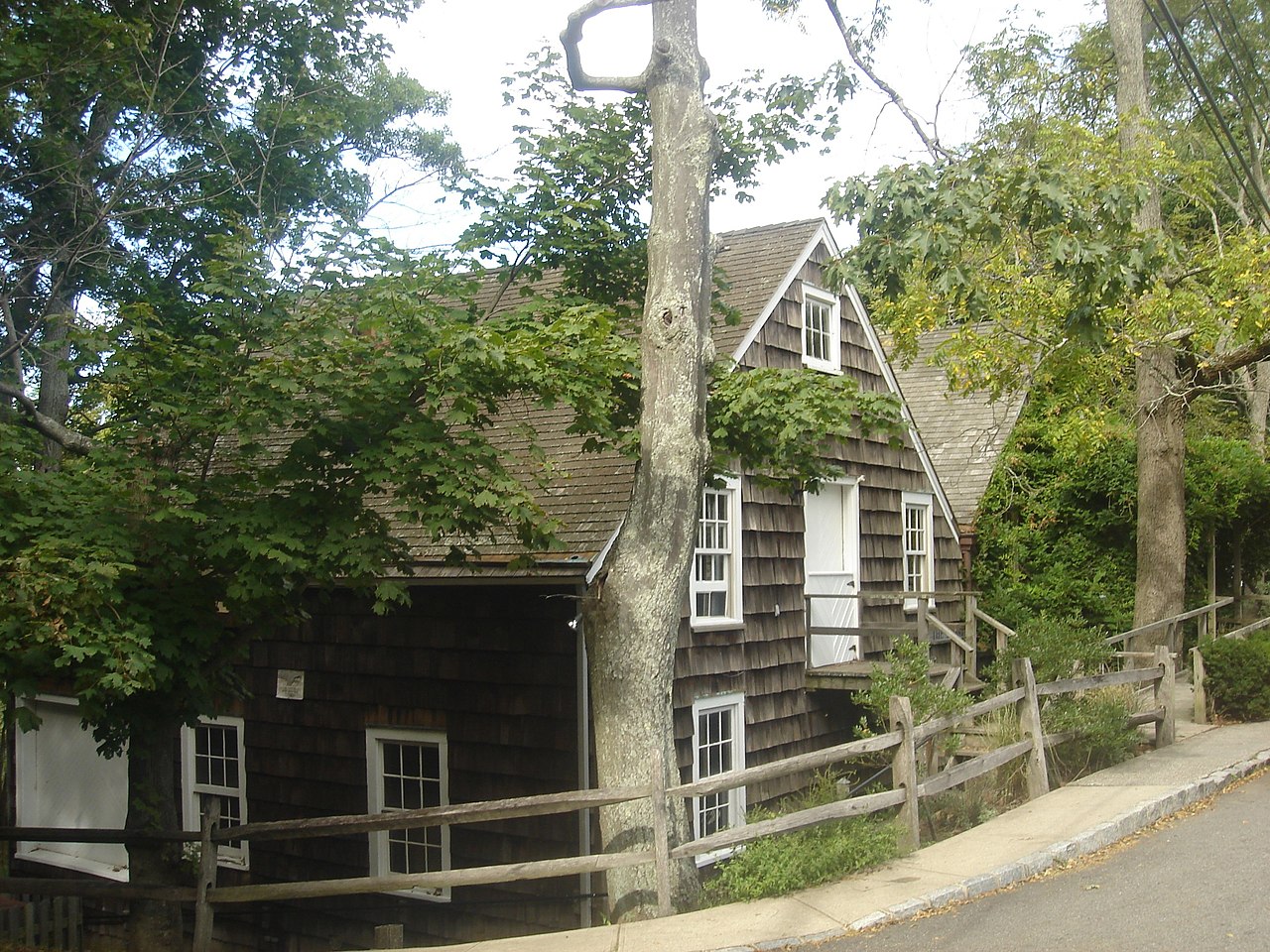
Stony Brook's Mill Pond, linked to the historic 1751 Grist Mill (Wikipedia), was formed by a dam that also supported Harbor Road. It provided a unique freshwater habitat in the harbor ecosystem and was a significant local attraction.
The August 2024 Deluge: Catastrophic Dam Failures
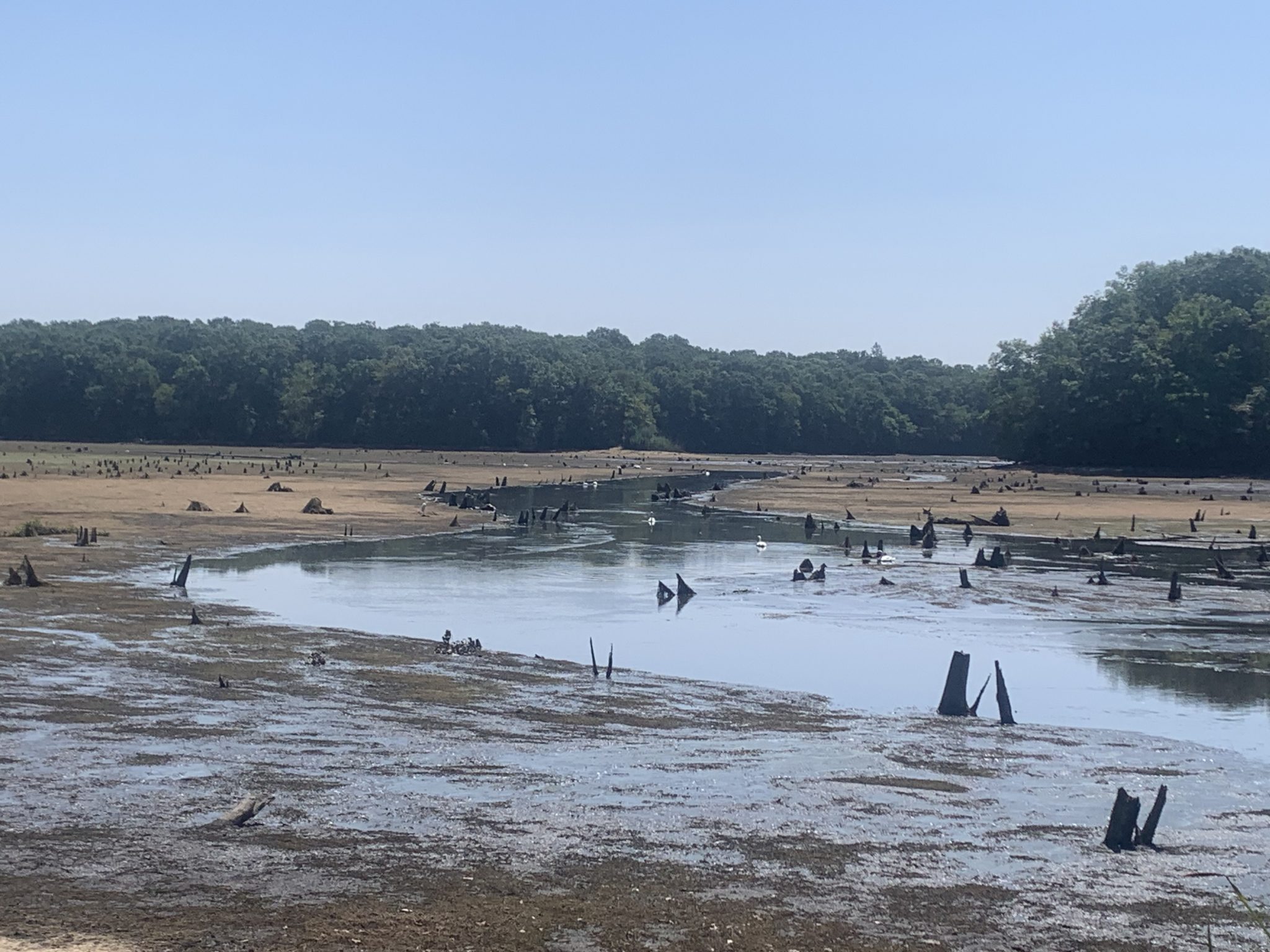
Unprecedented rainfall on August 18, 2024, led to the catastrophic failures of both dams (News 12).
Stump Pond Dam Breach
The Stump Pond dam breached, draining the pond and devastating the fishery and recreation in Blydenburgh Park (WSHU).
Mill Pond Dam Collapse
The Harbor Road dam at Mill Pond also failed, emptying the pond into Stony Brook Harbor and damaging Harbor Road and nearby infrastructure (News 12).
The Road to Recovery: Rebuilding and Response
Suffolk County has initiated restoration efforts, with a commitment from County Executive Ed Romaine to rebuild the dams. Funding has been allocated, and the DPW is working on engineering and permits (Suffolk County Government).
The Ecological Equation: Balancing Nature and Structure

The dam failures have sparked a debate about the ecological role of these structures. While the ponds provided certain habitats, the dams also blocked fish migration. Rebuilding would maintain pond ecosystems but could continue to impede natural river flow and fish passage. Alternatives like dam removal could restore riverine habitats and improve ecological connectivity (Save The Sound, WSHU).
The Central Debate: To Rebuild or Restore?
The core of the ongoing discussion is whether Suffolk County should focus on rebuilding the Mill Pond and Stump Pond dams to restore the familiar landscapes and recreational uses, or if this presents an opportunity to explore alternative solutions, such as dam removal and the restoration of more natural riverine ecosystems.
Arguments for Rebuilding the Dams:
- Historical Preservation: The ponds and dams are historic landmarks with cultural significance to Stony Brook and Smithtown. Rebuilding would preserve this heritage.
- Recreational Value: Stump Pond, in particular, was a popular freshwater fishing and boating destination. Rebuilding would restore these recreational opportunities. Mill Pond also offered aesthetic and passive recreational benefits.
- Established Ecosystems: The existing pond ecosystems, while altered from a natural stream, support certain types of wildlife that have adapted to these conditions. Rebuilding would maintain these habitats.
- Flood Control (Potential): While not the primary purpose, some argue that the dams may have offered a degree of localized flood mitigation. Rebuilding could reinstate this potential benefit.
- Community Preference: Many local residents have a strong attachment to the ponds and desire to see them returned to their pre-storm condition.
- Infrastructure Reintegration (Mill Pond): Rebuilding the dam at Mill Pond is essential for the reconstruction of Harbor Road.
Arguments Against Rebuilding / For Dam Removal and Ecological Restoration:
- Ecological Benefits: Dam removal would restore the natural flow of the Nissequogue River and Stony Brook Harbor tributaries, improving habitat connectivity and allowing for the migration of important fish species like alewives and eels (Save The Sound).
- Improved Water Quality: Free-flowing rivers can often have better water quality than impounded waters, which can suffer from warmer temperatures and lower dissolved oxygen.
- Reduced Long-Term Costs: Dams require ongoing maintenance and are susceptible to failure, leading to significant long-term costs. Removal eliminates these liabilities.
- Increased Biodiversity: Restoring natural stream habitats can support a wider range of native species adapted to flowing water environments.
- Sediment Management: Dam removal would necessitate careful management of accumulated sediment, but in the long run, it allows for natural sediment transport.
- Resilience to Climate Change: Some argue that natural river systems are more resilient to the impacts of climate change and extreme weather events than artificial impoundments.
- Focus on Riverine Ecosystems (Stump Pond): Environmental groups like Seatuck have suggested allowing the streams feeding Stump Pond to run freely into the Nissequogue River, benefiting the larger river ecosystem (WSHU).
Ultimately, the decision of whether or not to rebuild the dams will involve weighing these competing arguments, considering the environmental impacts, the costs, the historical and community values, and the long-term vision for Stony Brook and Smithtown's natural resources.
What's at Stake for Suffolk County? Broader Implications
- Recreation: The future of recreation at both sites hinges on the decision made about the dams.
- Infrastructure: The rebuilding of the Mill Pond dam is tied to the restoration of Harbor Road.
- Historical & Cultural Value: Preservation of the historic character of both locations is a significant factor.
- Environment: The long-term ecological health of the surrounding waterways is a key consideration.
- Financial Responsibility: The costs associated with any course of action will impact Suffolk County taxpayers.
- Community Vision: The final decision will reflect the community's priorities for its natural and built environment.
Navigating the Path Forward
The decision-making process involves Suffolk County government, regulatory agencies, and public input. Environmental impact assessments, historical preservation reviews, funding availability, and community preferences will all play a role. Understanding the complexities of this issue is crucial for informed participation. Explore different perspectives (Create this page if desired) and learn how to get involved.